
How Long Does a Central Vacuum System Last? (And How to Make It Last Longer)
- Posted on
- By Jon
- 0
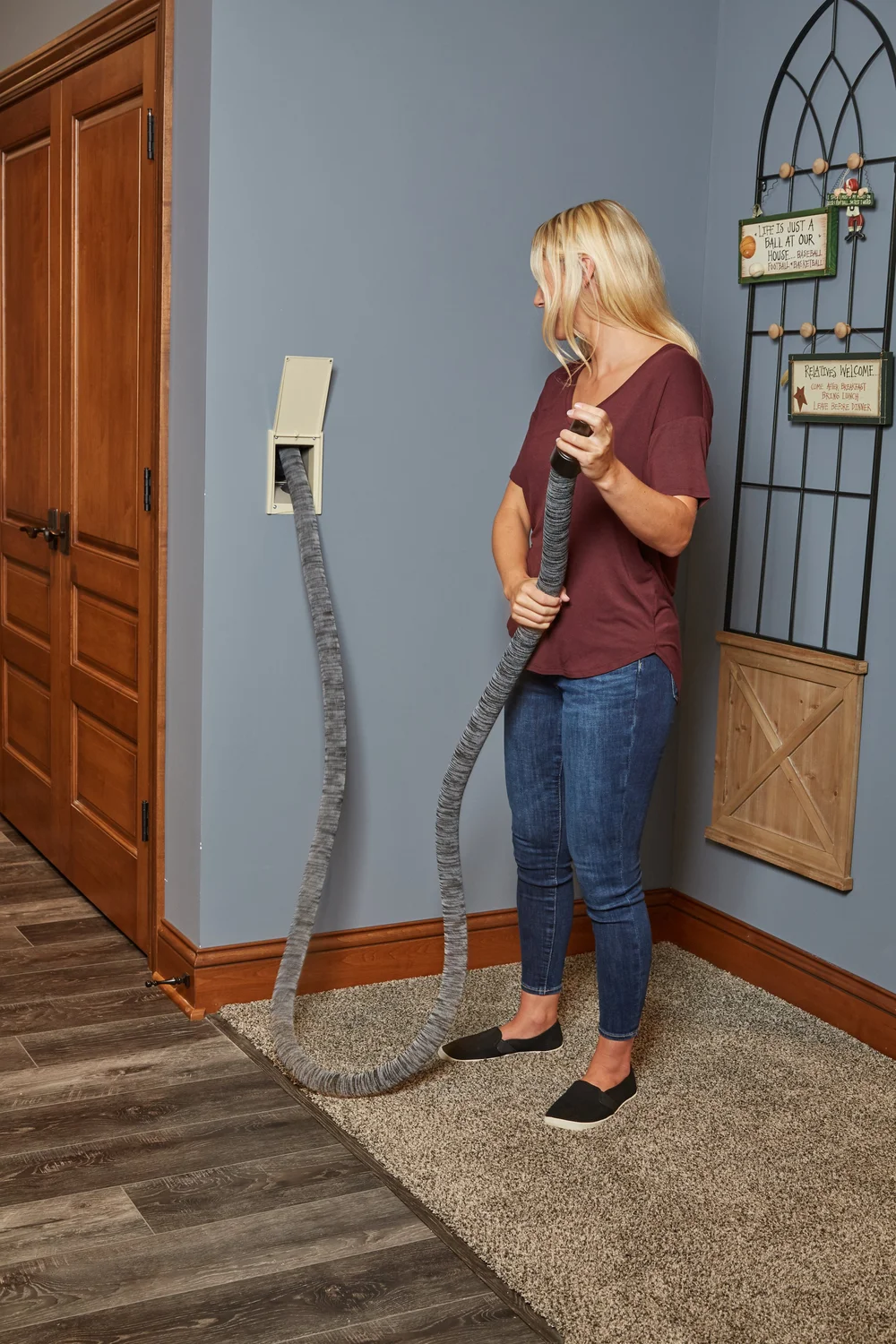
Central vacuum systems from quality brands like BEAM, VacuFlo, and Intervac are built to last 20–30 years — far outlasting portable vacuums. The biggest factors affecting lifespan are motor quality, how often you empty the canister or bag, and keeping filters clean. The PVC pipe network in your walls essentially never wears out, but hoses typically need replacing every 10–15 years. Most problems — reduced suction, unusual noise, intermittent operation — show up as warning signs before they become serious, and the majority are repairable rather than requiring full replacement. A simple annual routine of emptying the canister before it's full, checking filters, and listening for motor changes is all most homeowners need to do. If a system under 15 years old needs work, repair is almost always the more cost-effective choice. Swiss Boy Vacuum handles repairs, maintenance, and installations throughout Utah.
How Long Does a Central Vacuum System Last?
One of the best things about central vacuum systems is that they are built to last. Unlike portable vacuums that tend to wear out every few years, a well-made central vacuum can serve your home for two or even three decades. But like any mechanical system, how long it actually lasts depends on the quality of the unit, how it is used, and how well it is maintained. Here is what you need to know.
The Short Answer: 20 to 30 Years
A quality central vacuum system from a reputable brand — Beam, VacuFlo, Intervac — is designed to last 20 to 30 years in a typical home. That is not a marketing claim; it is a reflection of how these systems are built. The motors are heavy-duty, the PVC tubing does not wear out, and there are relatively few moving parts compared to a portable vacuum.
Budget or off-brand systems tend to have a much shorter lifespan — often 5 to 10 years — because the motors are not rated for the same duty cycle and the components are not built to the same standard. If you bought a name-brand system and maintained it reasonably well, there is a good chance it will outlast several portable vacuums.
What Affects How Long It Lasts?
Motor Quality
The motor is the heart of the system and the component most likely to eventually need replacement. Quality motors from manufacturers like Ametek Lamb are rated for thousands of hours of use. Running the system continuously for very long periods, or using it in high-debris environments like workshops, puts more wear on the motor than typical household vacuuming.
Filtration and Bag or Canister Maintenance
This is probably the single biggest factor homeowners can control. When the dirt canister or bag gets too full, airflow is restricted and the motor has to work harder to maintain suction. Running a full canister for extended periods significantly shortens motor life. A good rule of thumb: empty or replace the bag when it is two-thirds full, not when it is completely packed.
Filter Condition
Systems with filters — particularly HEPA or foam filters — need those filters cleaned or replaced on a regular schedule. A clogged filter has the same effect as a full bag: restricted airflow, extra strain on the motor, and reduced suction at the inlet. Check your filter at least once a year, more often if you have pets.
The Tubing and Inlets
The good news here is that the PVC pipe network running through your walls essentially never wears out under normal use. Inlets can occasionally develop loose connections or worn gaskets over time, but these are inexpensive to fix. If you notice reduced suction at a specific inlet but not others, a loose joint or small clog in that branch of pipe is usually the culprit.
The Hose and Attachments
Hoses and attachments have a shorter lifespan than the power unit — typically 10 to 15 years depending on use. Electric hoses with wiring can develop intermittent connection issues as the wire flexes repeatedly over years of use. Replacing a hose is straightforward and much less expensive than replacing the power unit, so do not let a worn hose lead you to think the whole system needs replacing.
Signs Your System Needs Attention
Most central vacuum problems give you warning signs well before they become serious. Watch for these:
- Reduced suction at all inlets — usually a full canister, clogged filter, or beginning motor wear.
- Reduced suction at one inlet only — likely a clog or loose joint in that branch of pipe.
- Motor runs but suction is very weak — check the canister and filter first, then inspect for a pipe disconnection.
- Motor will not turn on — could be a tripped breaker, a failed low-voltage relay, or a worn motor.
- Burning smell or unusual noise — stop using the system and have it inspected. These are signs of motor or electrical issues that should not be ignored.
- Intermittent operation — often a failing motor brush or a low-voltage wiring issue at an inlet.
The encouraging thing is that most of these issues are repairable — often inexpensively. A motor brush replacement, a new filter, or a repaired pipe joint can restore a system to full performance. Do not assume a struggling system needs to be replaced before having it evaluated.
Simple Maintenance That Makes a Real Difference
You do not need to do much to keep a central vacuum running well. Here is a simple annual routine:
- Empty or replace the bag or canister before it reaches full capacity.
- Check and clean or replace filters annually — more often if you have pets or vacuum frequently.
- Inspect the exhaust to make sure it is clear and venting properly.
- Check hose connections and inlet gaskets for any wear or loose fit.
- Listen for any change in motor sound — a change in pitch or new noise is worth investigating early.
That is genuinely it for most homeowners. A central vacuum is one of the lower-maintenance appliances in your home — the main job is just keeping the canister and filter from getting overloaded.
When to Repair vs. Replace
If your system is under 15 years old and from a quality brand, repair is almost always worth it. Motor replacements typically cost $150 to $400 in parts and labor — a fraction of a new system. If the system is over 20 years old and has needed multiple repairs, or if the power unit itself is damaged beyond a motor swap, replacement starts to make more sense.
One thing worth knowing: the pipe network in your walls is almost certainly still good even if the power unit has reached the end of its life. In most cases you can install a new power unit and reconnect it to the existing tubing, which saves a significant amount of labor compared to a full system replacement.
Need a Service, Repair, or Replacement in Utah?
Swiss Boy Vacuum specializes in central vacuum repair, maintenance, and installation throughout Utah. Whether your system needs a filter swap, a motor replacement, or a full new power unit, we can help you figure out the most cost-effective path forward.
We stock bags, filters, belts, motors, and replacement parts for most major brands — so if something needs replacing, we can usually get it handled quickly. Stop by our Salt Lake City store or reach out online and we will take a look.
Contact Swiss Boy Vacuum — or browse our bags, belts, and filters to keep your system running its best.
Comments
Be the first to comment...